Where It All Began: Part One – The Club
De Robben Ice Sailing Facebook
De Robben Ice Sailing Website
Sorry I haven’t been posting much this month. I hope this long post will make up for my absence. After the Junior World Ice Sailing championship,me and my brother, Ron, left Sweden and headed to Norway for some sight seeing and to visit our relatives there. (Sailable ice could be found in Norway this winter. Like Sweden, they don’t have much snow.)
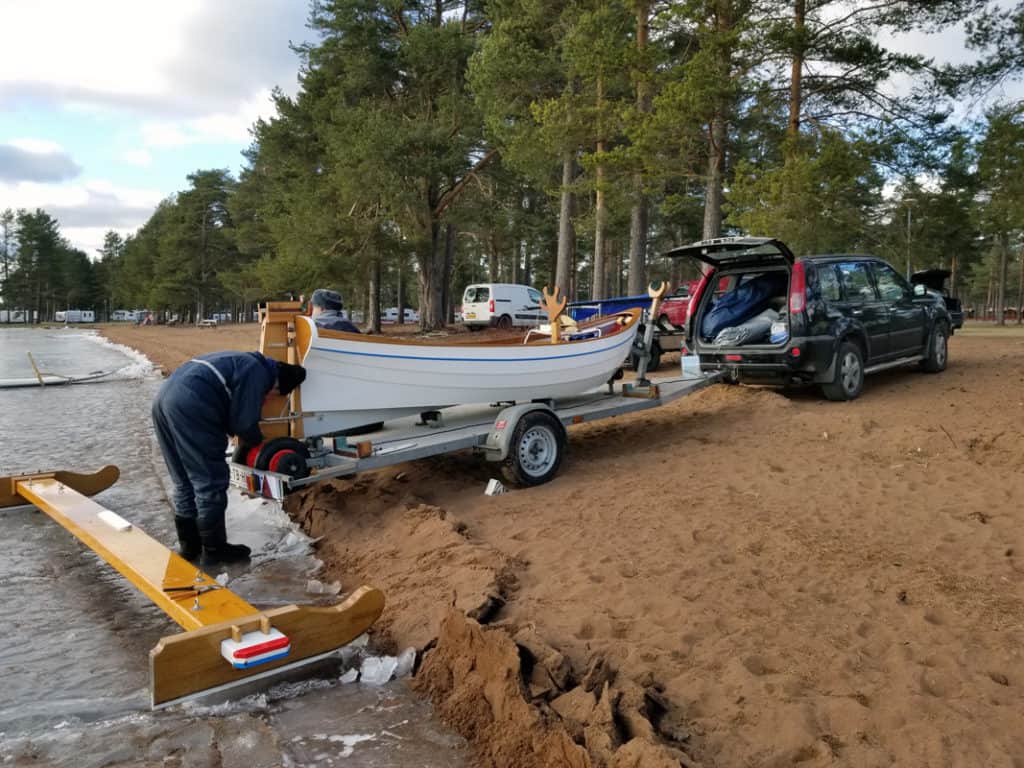
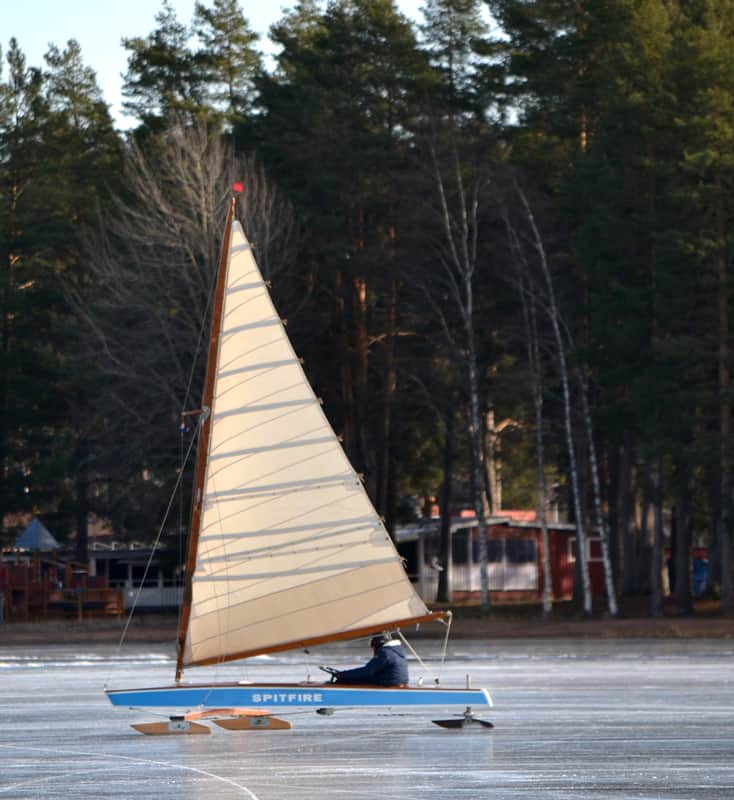
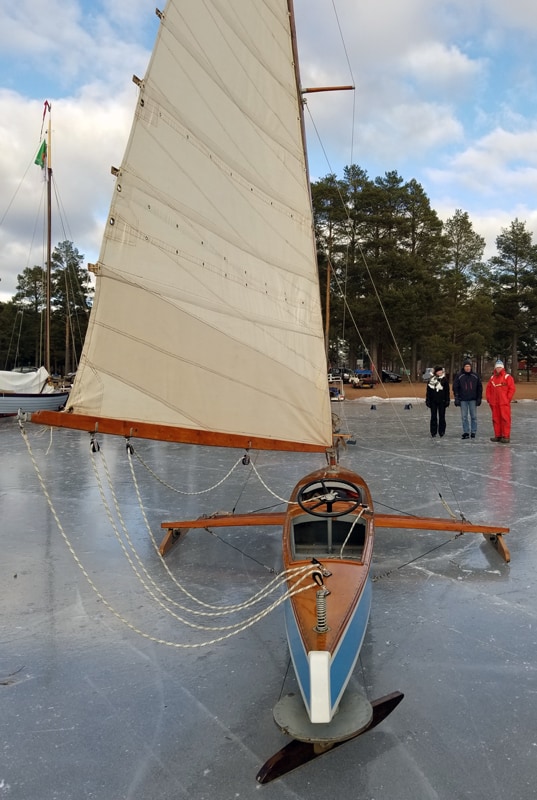
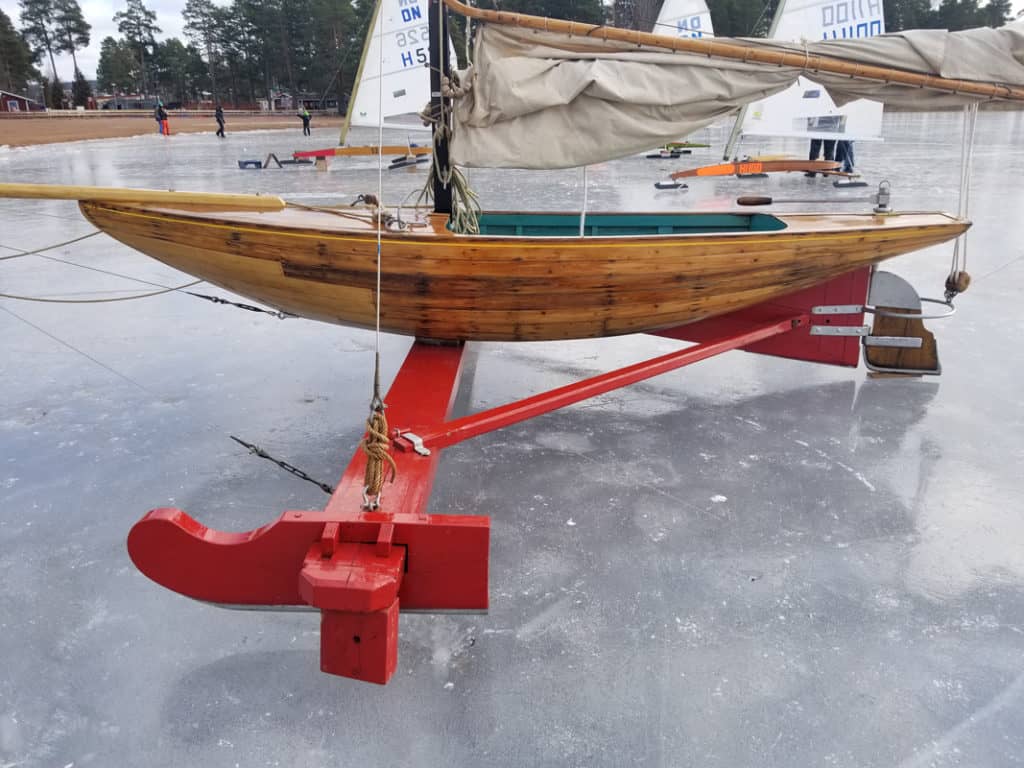
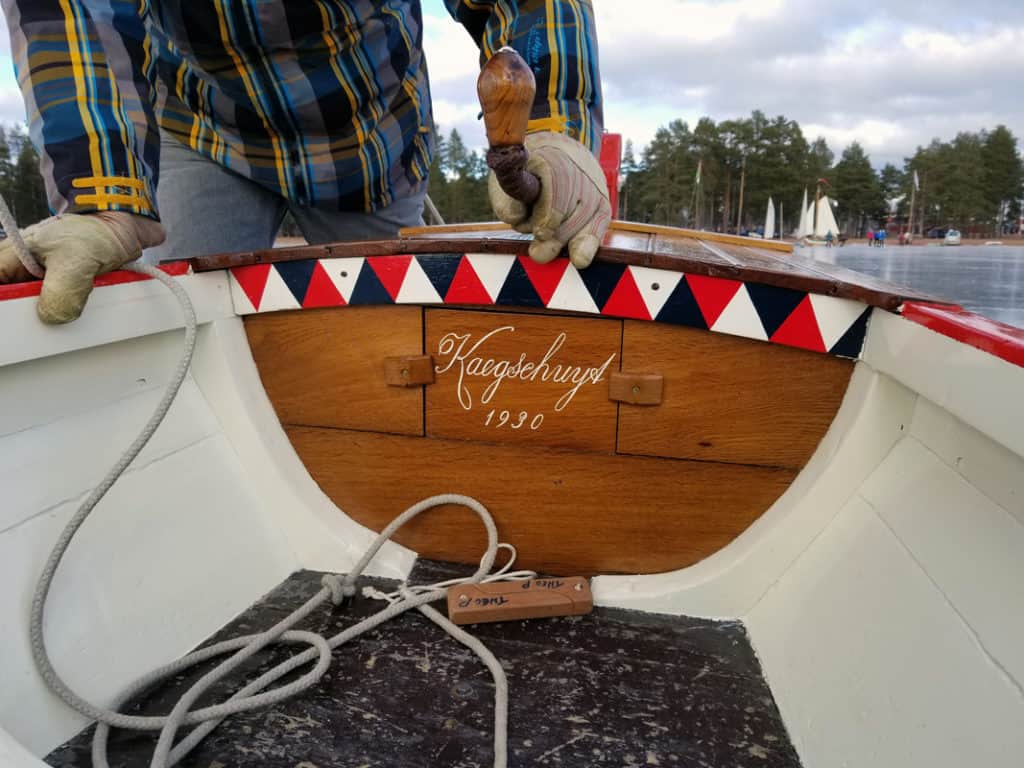
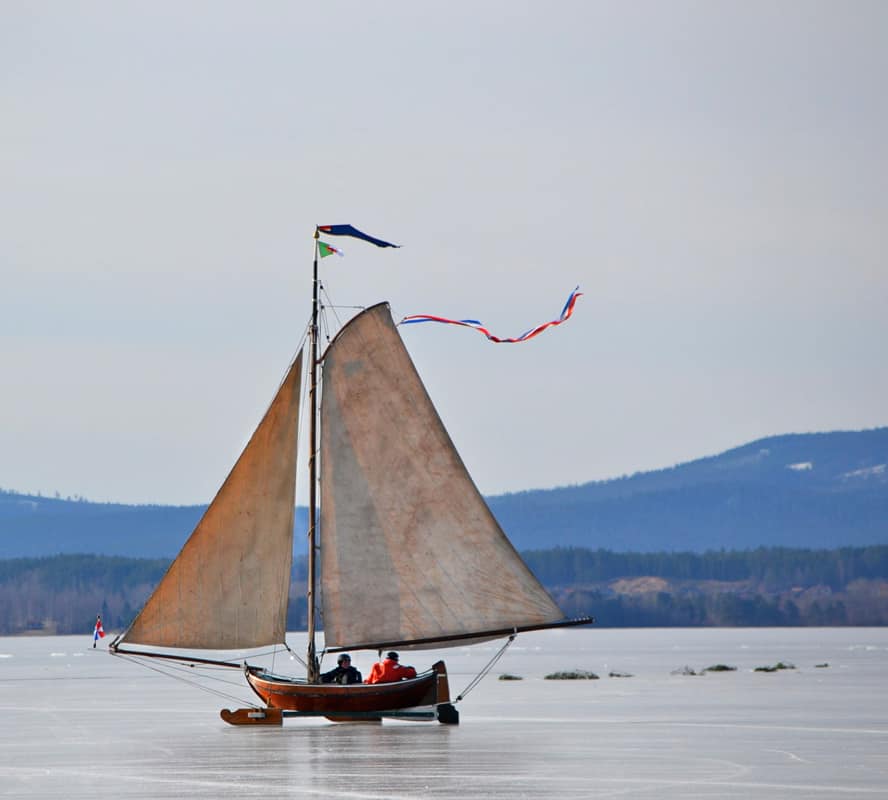
In case you didn’t know, the Dutch are the grandfathers of this sport. Back in the 1600s, they were the first ones to throw a plank and runners on a traditional soft water sailing boat in order to utilize the frozen canals of Holland. The day before we left for Norway, Maarten de Groot of the Dutch ice sailing club, De Robben, sent a message that 10 of the club’s old style original Dutch iceboats were heading to Lake Orsa in Sweden for a week of cruising. Maarten and I have been corresponding by email for many years about his club and these historic boats. An opportunity like this might never come along again and I knew I had to find a way to get back here to Orsa after the Norway visit to see these boats and meet the club members. Thankfully, the ticket change was easy (I was credited $19 for the change, thanks Delta!)
Ron and I drove back from Oslo to Uppsala, Sweden on Monday and we enjoyed the warm atmosphere of a family dinner that evening at the home of Swedish junior sailor, Axel Steffner. Ron flew back to Wisconsin yesterday while I rented a car and made the 3.5 hour drive back to Orsa, my third time here this month. (Reminds me of being in Lake City, MN on Pepin for basically the entire month of January 2019.) Google navigation makes driving in Sweden very easy, but the many “watch out for moose” road signs keeps one alert! (Ron and I did see a moose standing near the road in Norway – we thought it was a horse at first.)
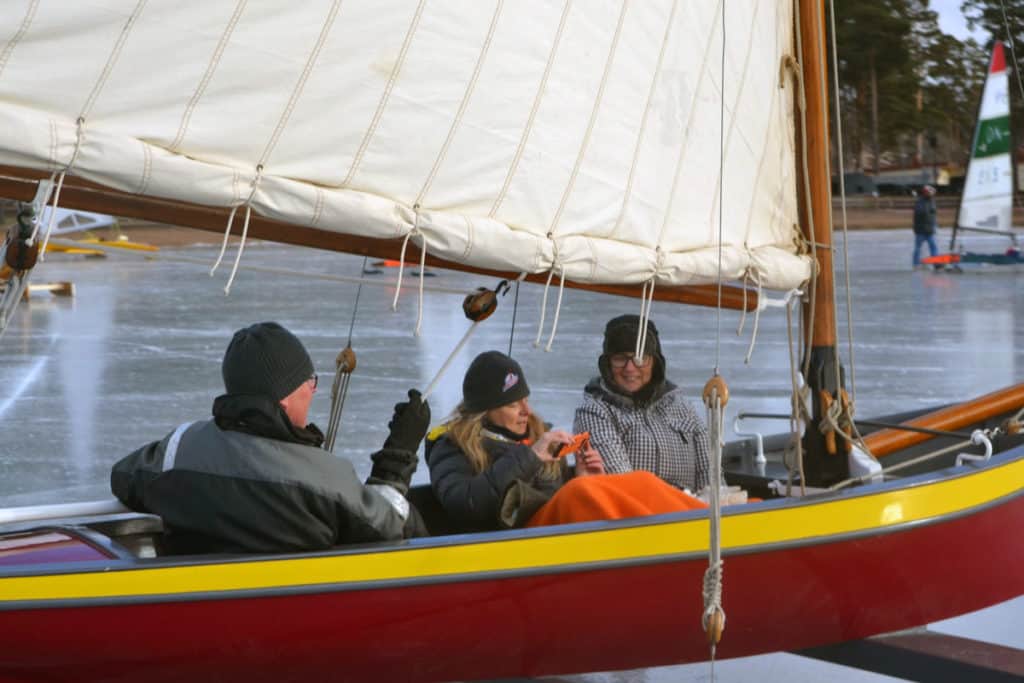
I arrived back at Orsa around noon and had lunch with Maarten, his wife Marianne and other club members in their cozy, rustic Orsa Camping cabin. Being able to stay in one place right at the launch is quite a luxury in ice sailing. I spent the rest of the afternoon on the ice.
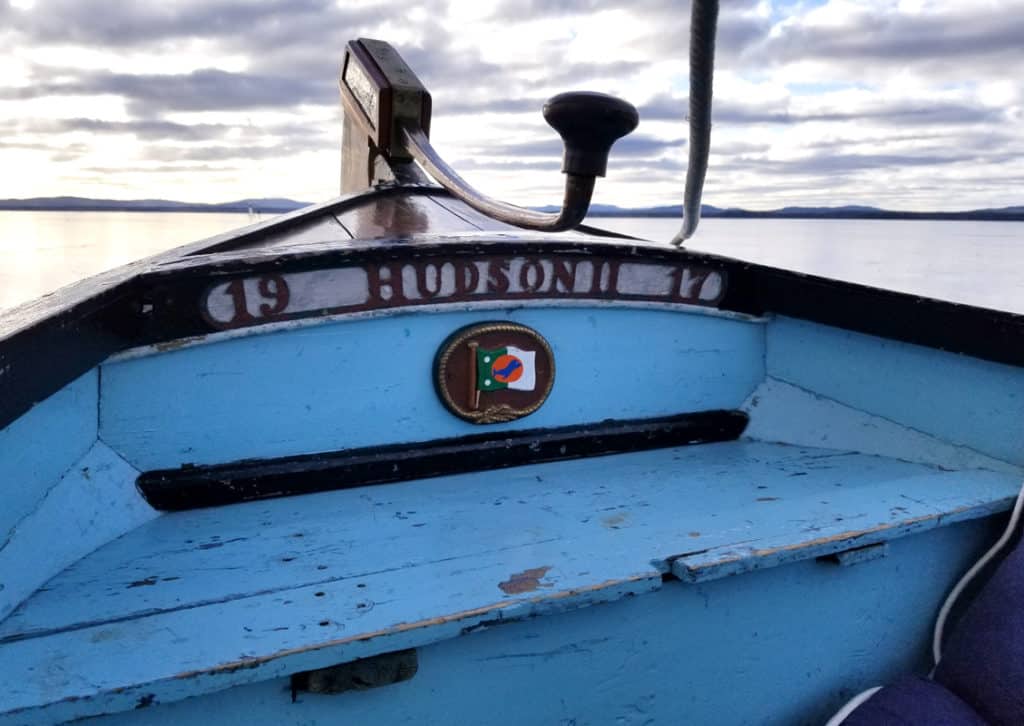
I learned so much about these boats and the club members who cherish them so much. First, about the club. Here’s a roster of the boats that sail with De Robben. They have over 100 club members and are growing. (There are other clubs like them in the Netherlands where the focus is the old Dutch style boats.) There hasn’t been ice in the Netherlands in 10 years so they’ve had to embrace travel. They have one organizational meeting every November to discuss their upcoming trip. They don’t race, it’s all strictly for pleasure and camaraderie. It’s family oriented ice sailing and many husbands and wives sail together. Club members enjoy helping each other out in the shop and on the ice, one of the best traditions in iceboating all over the world. Last evening, club members gathered in one of the small cabins for drinks and snacks. I counted 18 people and reflected upon the fact that the 4LIYC was going to be meeting in a few hours back home. Sitting in that cabin surrounded by ice sailors was just like being at a 4LIYC meeting except everyone was speaking in Dutch. They are starting to take down the boats today but a few will stay here until Sunday.
I’ll post more later because I want to get ready to head out to the ice and catch some more rides. A sincere thank you to Maarten and all club members from De Robben for this incredible experience. I hope to be able to write part 2 tonight which will focus more on the boats. I’m moving a few km to stay in Furudal for another regatta.
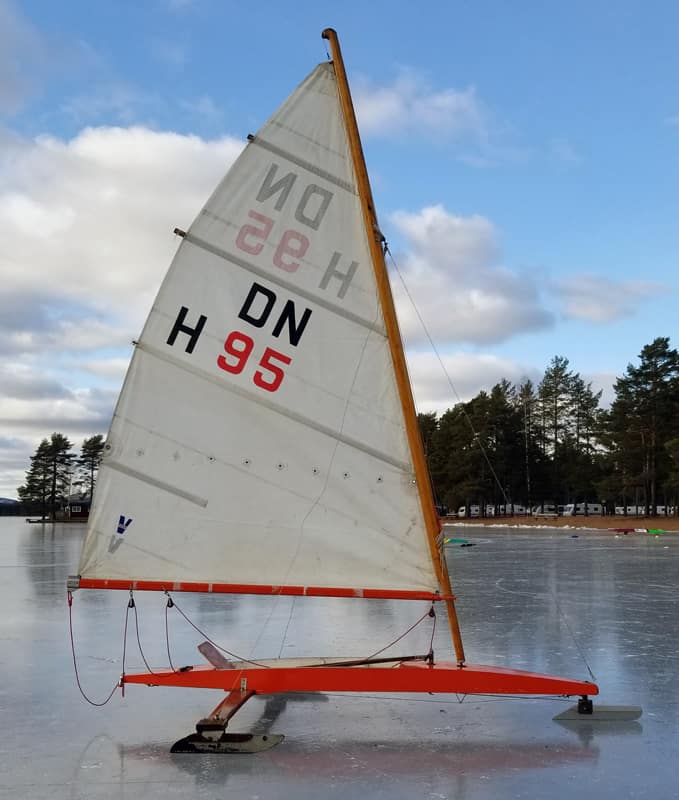
Oh, and one more reason to extend the trip – there’s a Swedish DN ranking regatta this weekend here. The Race Committee has graciously asked me to be part of it.